It’s welcome news that the UK Government is now recognising that England has a birthday next vear, the 1100th anniversary of when King Æthelstan – Alfred the Great’s grandson – united the warring Anglo Saxons and Viking tribes to create what we now know as England.
It requires a fitting tribute.
Yet in a country facing growing division, polarisation, some would say, tearing itself apart, we need to go beyond A.N. Other historical date on the calendar and making it more than just a birthday party.
The July 12th anniversary, commemorating unity and how greater things can be achieved by coming together, needs to be given agency to tackle deeper-rooted issues around shared national identity to generate greater togetherness.
We need a year-long programme of investment, inspired by the commemoration, in building cohesion and enabling all who call England their home to celebrate what we share.
English identity now possesses an authentic, inspiring and profound – what anthropologists call – ‘Foundation story’, with a potentially iconic date, hitherto unsung, that mark when England first became a single political entity.
It offers a rare moment for a national campaign to grow our sense of unity – an England’s 1,100 Years Together: What’s your England?’ (inspired by the George Orwell essay England Your England) to reflect and nurture our skills on who we are, how we got here, and what kind of shared future we want to build.
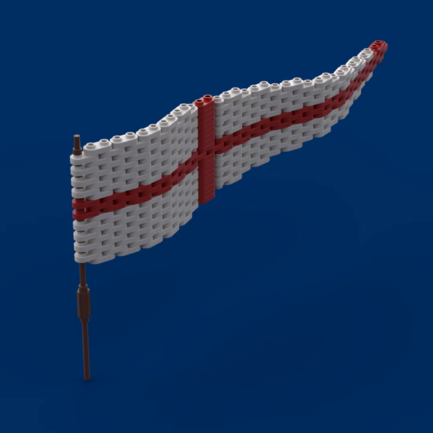
Æthelstan never married nor had children. His memory and legacy, despite his profound impact on English and British history is overshadowed by monarchs like Alfred the Great and William the Conqueror. His name uses the Old English character of ‘Æ’ long lost from modern English because of Norman scribes not using it. History is not only written by the victors but also uses their alphabet!
Æthelstan’s only memorial is at Malmesbury Abbey, Wiltshire where he was buried in 939AD. Eamont Bridge in Cumbria, recognised as symbolising the ‘birthplace of England’, is without a formal monument.
Long before the UK Government awoke to the 1100th anniversary, we had been assembling a collation of groups already building greater social cohesion with a call for:
- The 1100th anniversary needs to go beyond a ‘Blue Peter-esque’ cosy rendition, retelling of England’s foundation story. It needs to be transformed, given agency for a nation-building opportunity for greater cohesion and togetherness.
- The key to transforming the 1100th anniversary into a powerful agency for change is harnessing the story’s theme of uniting the disparate, warring tribes together into a cohesive unified whole.
- The planning of any commemorative celebrations needs to be opened-up beyond major English cultural and heritage institutions to encompass bottom-up led responses.
- With thoughtful preparation, the rare opportunity for the 1100th commemorations England’s 1,100 Years Together: What’s your England? can be given agency to make a profound difference to strengthening social cohesion, deepen belonging, and co-create a renewed, shared sense of a re-tuned English communality and civic identity.
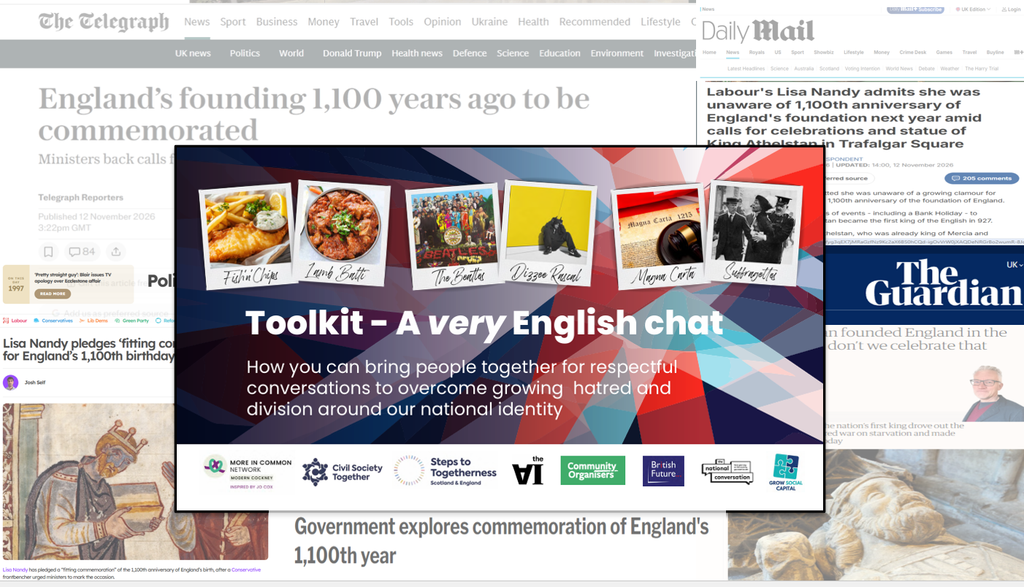
Earlier this year around St. George’s Day we launched the A Very English Chat campaign where we co-curated with the English public receiving over 3,000 ideas for ‘The Story of England in 50 Objects’. It featured usual suspects, like Stonehenge and Shakespeare. But it also featured the Seaside Windbreak – something every English person can relate to, along with other everyday items such as Marmite, Queuing and Talking About the Weather.
Far-right populism is driven by racism and by rejections of perceptions of cultural and political elites acting without regard to popular will.
These perceived elites are attributed with characteristics of oikophobia – the opposite of xenophobia, consisting of a rejection or disdain for one’s own culture, traditions, or ‘home’ with a preference for foreign cultures and rejecting the familiar. To counter this, there is a need to create opportunities to celebrate a shared sense of commonality.
Michael Billig’s concept of Banal Nationalism describes the quiet, everyday ways a nation is reproduced in people’s minds through routine symbols, habits, and language – not through dramatic patriotic displays. It’s the nationalism of the ordinary, the unnoticed background cues that constantly remind people of their national identity.
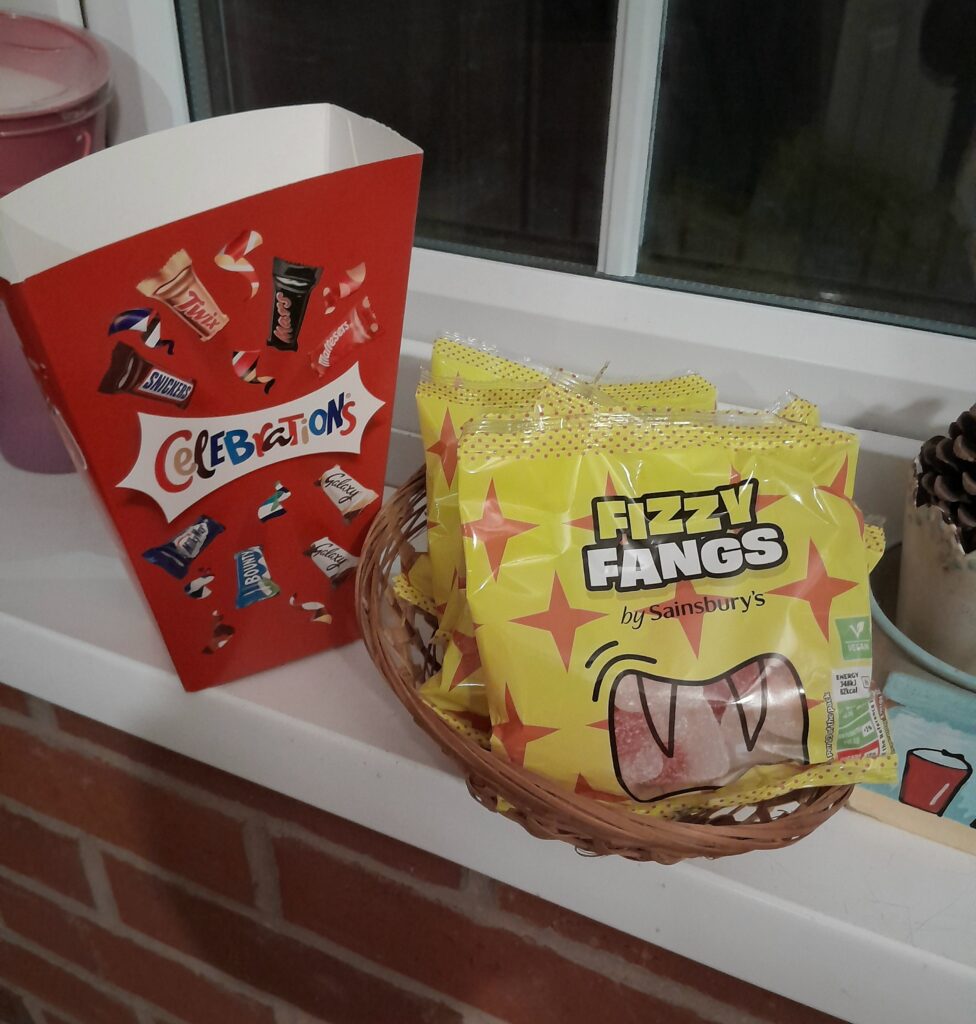
‘Critical mundanity’ is about the significance of everyday items, the ordinary, everyday practices that quietly hold a community together shaping belonging, trust, and resilience. They are the essential but easily overlooked everyday behaviours, routines, and micro‑interactions that sustain community life, the ordinary genius of a place.
Engaging with critical mundanity surfaces the real behaviours that shape identity and belonging, helping communities articulate what they value but rarely name. It provides concrete, relatable examples for storytelling and facilitation, shifting the focus from grand narratives to lived experiences. It’s the connective tissue between heritage, identity, and everyday life.
We need to work with partners to explore and develop the potential for using critical mundanity to trigger respectful conversations and weave connections around English national identity, particularly those alienated by perceived ‘elites.
It’s a great starting point recognising the opportunity created by the 1100th birthday next year of King Æthelstan’s uniting the warring tribes and creating what we now know as England. Yet, it needs to be seen as a starting point for building greater inclusion and togetherness for all who call England their home.
We need to go beyond ‘fitting’ to resizing and reframing our country’s national day of celebration.
Find out more at www.averyEnglishchat.org.uk where there is a host of free tools and resources enabling all of us to develop a richer, more inclusive narrative of our nation’s story and future. A country worth celebrating.