This video from the Cockney Cultures YouTube channel explores the diverse identity of Cockneys and the methodology of genealogy. Hosts Andy Green and Patricia Sears MSc define a Cockney broadly as a non-posh Londoner, moving beyond the traditional requirement of being born within the sound of Bow Bells.
Uncovering Your Cockney Heritage: A Beginner’s Guide to Tracing Your Roots
Are you looking to trace your East End ancestors? Before diving into the archives, it’s helpful to understand what being “Cockney” actually means today. While the traditional myth insists you must be born within the sound of Bow Bells, this is largely a foundational story and metaphor. In fact, the bells didn’t even ring between 1941 and 1962 due to war damage.
Today, a Cockney is more broadly defined as anyone with an affinity for “non-posh Londoners,” whether you consider yourself “old school,” part of the Cockney diaspora in places like Essex or Kent, or you simply have ancestral Cockney roots.
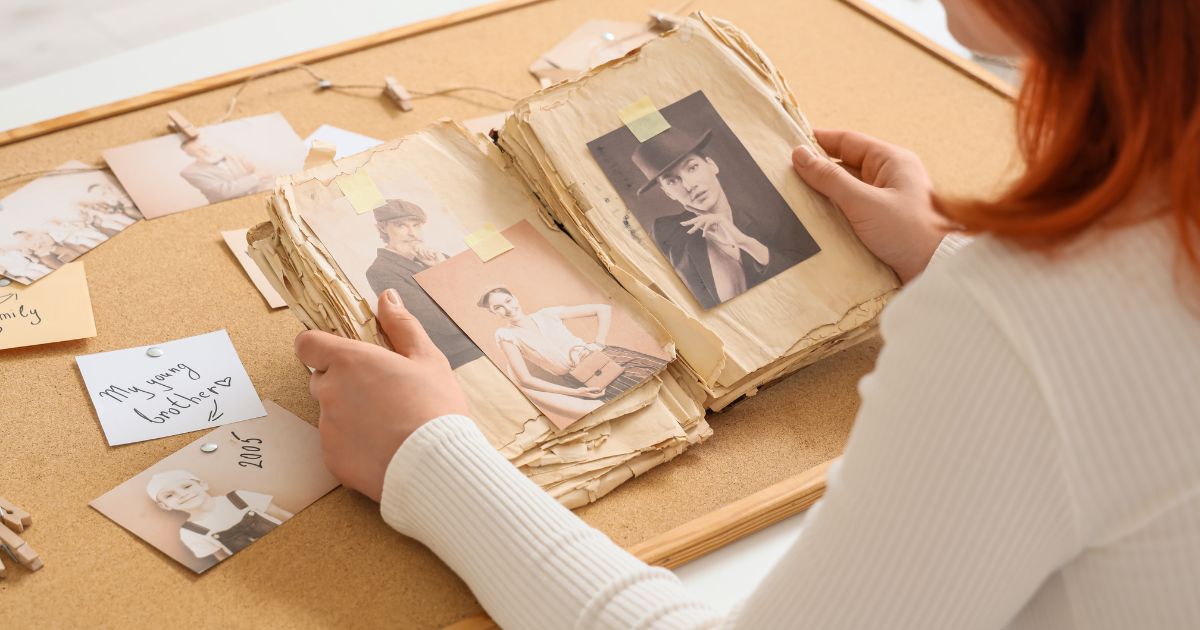
Tracing these roots is a profound way to engage with history on a micro-level, uncovering the undocumented stories of ordinary, working-class people whose lives are rarely featured in history books.
If you are ready to become a historical detective, here is a step-by-step guide to tracing your Cockney ancestry, packed with expert tips.
1. Start With What You Know (and Who You Know)
The ultimate golden rule of genealogy is to start with what you know for sure and work backwards, one generation at a time. Jumping too far back too quickly makes it incredibly easy to accidentally start researching the wrong family line entirely.
Most importantly, talk to your older family members while you still can to gather names, stories, and details, though always bear in mind that passed-down family lore might not be 100% accurate.
2. Unlock the 1939 Register
A fantastic starting point for your research is the 1939 Register. Taken at the outbreak of World War II to create identity cards, it is a unique resource that provides the exact dates of birth for individuals, unlike standard census records.
Since many people know the names of their parents or grandparents, you can often find them easily here, giving you the vital foundational information needed to trace them further back in time.
3. Scrutinize Birth, Marriage, and Death Certificates
When you obtain original certificates, don’t just glance at the names. Look at every single piece of information, including occupations, addresses, and the names of witnesses.
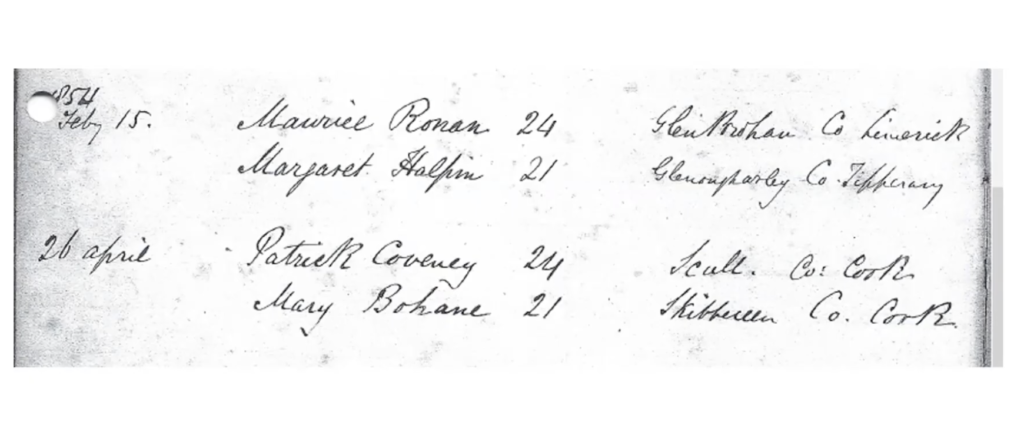
On marriage certificates, witnesses are very frequently a brother, sister, or parent, which can help you break through research brick walls by identifying wider family members.
To save money, order digital images of birth and death records directly from the General Register Office for just £3, rather than buying expensive physical certificates through third-party search websites.
4. Beware of Clerical Errors and “Wildcards”
Family history is fraught with misspellings, mispronunciations, and clerical errors. Your ancestors might appear as Sarah in one census, Hannah in another, and Nora in a third.
Householders often couldn’t write, leading to enumerators mishearing names or misreading their own handwriting when copying records.
Use “wildcards” and hints on search websites like Ancestry to catch abbreviations (such as “Jno” for John) or alternative phonetic spellings of your family name.
5. Explore Multiple Archives and Workhouse Records
No single website has all the historical records you need. Alongside popular paid sites like Ancestry and Findmypast, utilize free resources like FamilySearch and check your local library, which often provides free access to genealogy platforms and volunteers to help you get started.
If your ancestors fell on hard times, workhouse records can be an absolute goldmine. The Stepney Union case books, for example, can sometimes provide a whole family biography containing up to 50 named relatives in a single record.
6. Bring the Streets to Life with Historical Maps
To truly understand your ancestors’ living conditions, cross-reference your findings with historic maps.
- The Charles Booth maps (available for free via the Booth Archive at LSE)
- Historical Ordnance Survey maps (available via the National Library of Scotland)
These can show you exactly how densely packed and impoverished certain East End streets and courts were.
Local archives, like the Tower Hamlets Local History Library and Archives, are fantastic for finding specialized local plans and resources not available online.
7. Know When to Call a Professional
Genealogy can sometimes uncover distressing information, such as time in the workhouse, suicides, or bigamy, which requires deep sensitivity.
If you get stuck or find yourself dealing with complex ethical issues like adoption or unexpected DNA results, consider hiring a professional.
Ensure any professional you engage is registered with an accredited body like the Register of Qualified Genealogists (RQG) or AGRA to guarantee they are properly qualified and will abide by a strict ethical code of conduct.
By following these steps, you can piece together the resilience and history of your Cockney ancestors, helping you grow in awareness and gratitude for the immense hardships they overcame.